Completing the course was quite challenging given the circumstances I faced while studying. However, these lessons have expanded my knowledge and also equipped me with essential skills to be an effective student or someone capable of imparting assessment knowledge to my place of work for example.
The principles and methods of evaluation go beyond the classroom setting. Assessment holds significance in various aspects of our lives whether it is at work or, in our personal domains. Often we find ourselves needing to assess not only our lives but also the people around us and the situations we come across. By analyzing the results of these evaluations we gain insights, into the steps we should take in moving forward. This process prepares us to make informed decisions and navigate our paths with wisdom and purpose.
My Key Takeaways from Designing an Authentic Assessment Exercise
What a journey it has been! I must admit that before embarking on this exercise, I believed I had an understanding of assessments. You know, the quizzes and tests that we often dread but are a part of our educational experience? However, participating in this project has truly expanded my perspective on what assessments can entail and the value they hold. One aspect that really struck me was the power of learning. Embracing the collaboration approach, where every team member contributes to every aspect of the project, helped me open my eyes to perspectives. Not only did I learn from the course materials themselves, but also from my fellow teammates. This is something you don’t typically gain from a do-it-yourself project.
Moreover, this assignment compelled us to align our test items with learning objectives—a real game changer for me. It forced me to think about what we aimed to achieve through our assessment. It wasn’t about checking boxes or assigning grades; it was about ensuring that these learning objectives were meaningfully met.
Lastly, one revelation that stood out was recognizing the significance of assessments in evaluating student progress and growth. I found myself dedicating a lot of thought to creating assessments that could capture a wide range of skills and cognitive processes. It made me realize that tests could actually be designed to be more interactive, engaging, and reflective of the skills needed in the world. This was quite different from the approach of memorizing information and throwing it up.
The significance of self and peer assessments initially seemed challenging to me. However, as I went through the process, I now understood their value. These assessments compelled me to reflect on my contributions and understand my teammate’s perspectives. They transformed the project into more than a competition but rather a collective journey towards better comprehension. One of the insights was emphasizing the application of these principles in real-world contexts. The assignment wasn’t purely theoretical; it had implications in a particular setting. It helped me appreciate the complexities involved in designing assessments within a classroom environment, something I’ll carry forward as I pursue my career as an educator.
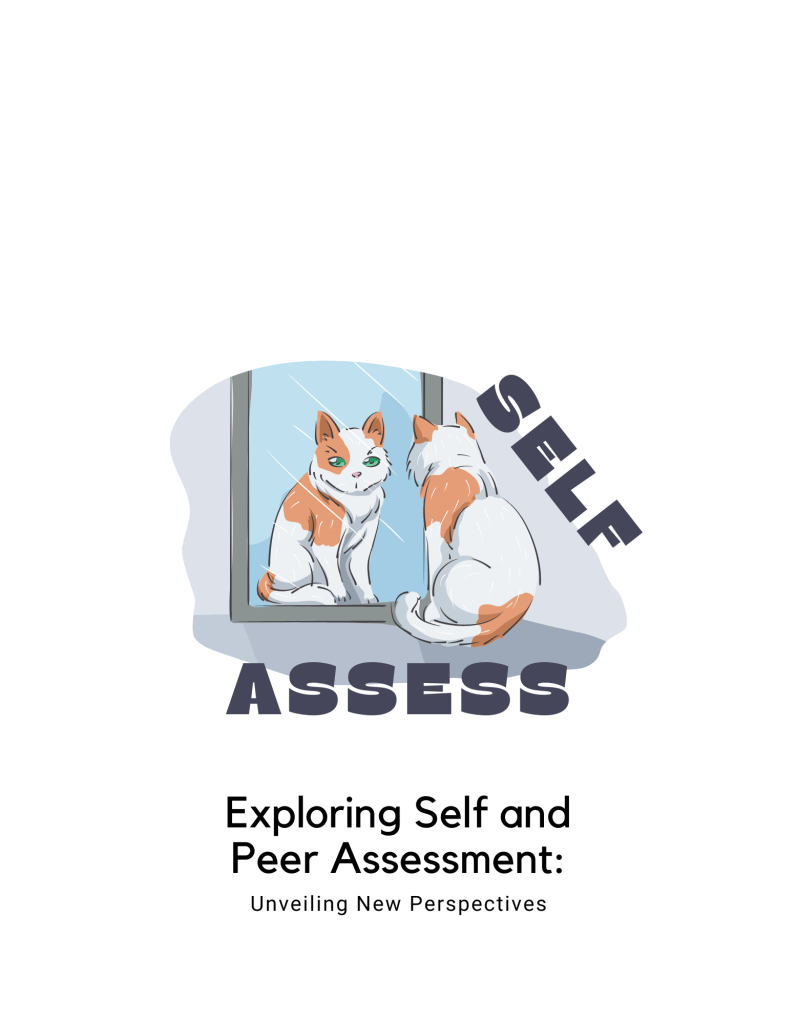
Exploring Self and Peer Assessment: Unveiling New Perspectives
The process of evaluating our work is, like embarking on a new learning journey. One where I assess my progress while also understanding the efforts put in by my peers. This approach truly captures my interest in how sometimes learning can be challenging.
During self-assessment, I thoroughly analyze my work to identify its strengths and areas that can be improved upon. It’s like solving a puzzle with each piece providing insights into my learning journey. Peer assessment takes it a step further by allowing me to collaborate with classmates exchanging feedback and expanding our understanding.
However, navigating this path does come with its share of challenges. Objectively assessing my work can be complex. Genuinely comprehending the perspectives of my peers requires careful attention. Facing these challenges head-on contributes immensely to my growth and enhances my overall comprehension.
As I continue on this learning process I’m starting to realize that the value of this process extends beyond academics. Self-assessment leads to discovery as it helps me identify strengths and areas where refinement is needed. Peer assessment also plays a role in sharpening my communication skills and nurturing my thinking abilities.
This exploration goes beyond just following lessons; it becomes a pursuit, for me. With each step new perspectives are revealed, driving me towards personal growth.
I find that embracing self-assessment and receiving input from my peers greatly enhances my learning experience. It allows me to uncover perspectives and broaden my horizons in ways.
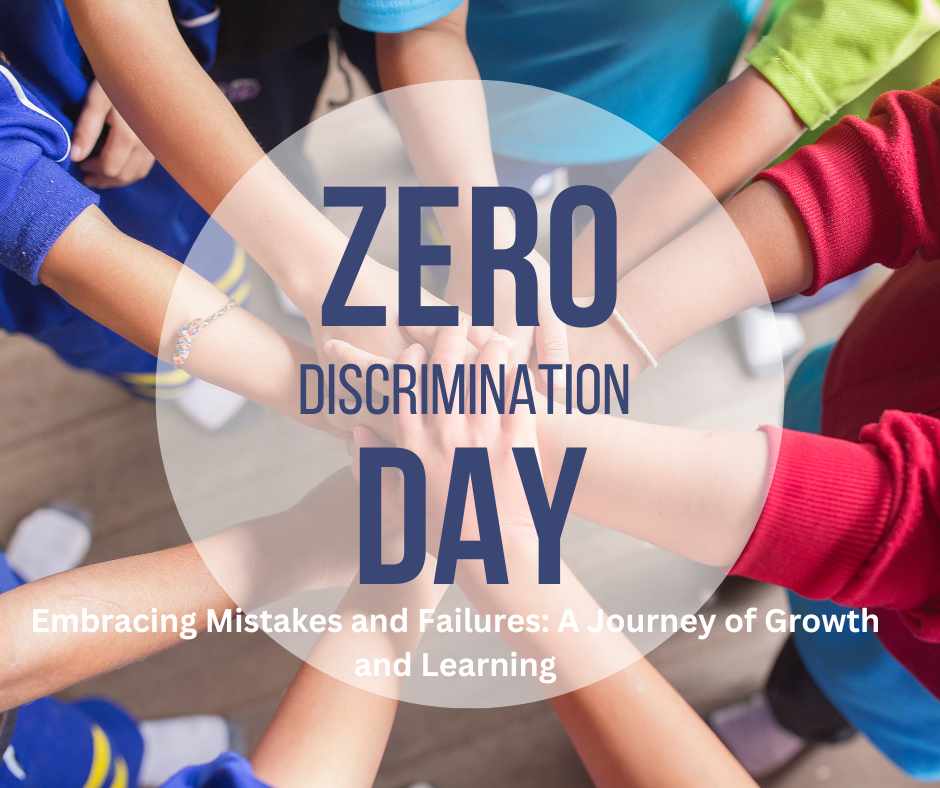
As I reflect on the various insights gained from the lesson on the power of mistakes, failures, rubrics, and feedback, I am reminded of the profound impact these elements have on our learning journey. From the fear of zeros and the stigma associated with failures to the transformative potential of mistakes, the lessons I’ve learned resonate deeply. The notion that mistakes and failures are threats to learning is a common sentiment that many of us experience. Zeros, mistakes, and failures have often been synonymous with inadequacy, leading to feelings of discouragement. However, I now understand that these setbacks are not endpoints, but rather stepping stones towards growth. Learning from failure, as highlighted in the TEDxTUM talk by Dean Shepherd, requires a shift in perspective. Failure is not a final verdict but a chance to reflect, adapt, and persevere.
Moreover, feedback’s role as a crucial tool for learning has also been underscored. Constructive feedback not only guides our understanding of concepts but nurtures our ability to take risks. The insights on rubrics also enlightened me about the importance of clear expectations. Properly interpreting rubric scores and emphasizing growth over perfection can foster a positive learning environment.
On the positive side, embracing mistakes and adopting a growth mindset are fundamental to effective learning. Mistakes, rather than being feared, are celebrated as essential components of the learning process. This mindset shift encourages resilience and innovation, paving the way for deeper understanding and mastery. I now recognize the role of educators in shaping these perspectives. Teachers and parents can influence our responses to mistakes, either promoting a fear of failure or encouraging us to take risks. Creating an environment that fosters collaboration, iterative learning, and self-reflection is pivotal to nurturing a positive mindset.
This insightful journey through the nuances of learning from mistakes, leveraging rubrics, and valuing feedback has taught me the importance of embracing failures, celebrating growth, and redefining success. Every misstep becomes a chance to learn, grow, and ultimately flourish as a more resilient and adaptable learner.
Unveiling the Power of Effective Assessment: A Personal Journey
As a passionate advocate for education, I’ve always been intrigued by the dynamic relationship between assessment and learning. This journey through various discussions, insights, and reflections has been eye-opening, reshaping my perspective on what effective assessment truly means.
Influential Insights:
One major revelation is the limitations of standardized tests. These assessments might not capture the diverse skills and talents that each student possesses. I’ve come to understand that assessing only cognitive abilities can lead to a narrow understanding of a student’s potential. Moreover, the concept of student autonomy has emerged as a guiding light. Empowering students through timely feedback, encouraging their choices, and aligning assessments with real-world tasks can truly foster their growth as independent learners.
Personal Importance:
The lessons from this module resonate deeply with me as an educator and a lifelong learner. I believe that every student has a unique set of strengths that deserves recognition. The idea of assessment as a tool for growth rather than mere evaluation aligns with my educational philosophy. Witnessing students flourish as they take control of their learning is a prospect I find incredibly meaningful.
Influenced Perspectives:
These new ideas have significantly reshaped my approach to assessments. I now value the importance of providing students with accessible and actionable information that supports their learning journey. I see the significance of creating a classroom environment where every learner’s identity is respected and their diverse backgrounds are acknowledged. Additionally, I’m eager to incorporate more strategies that encourage self-regulated learning and student agency, ensuring that assessments become opportunities for growth.
In conclusion, this module has been a transformative experience. It has highlighted the crucial role of assessments in nurturing student autonomy, equity, and holistic development. Armed with these insights, I’m excited to embark on a journey where assessments aren’t just tools for measurement, but catalysts for personal and academic growth.
Today, we’re navigating the vast and sometimes confusing world of educational assessments. While traditional tests have been around for ages, there’s a new kid on the block: authentic assessments. Let’s break it all down.
Traditional vs. Deep Understanding:
You remember those multiple-choice exams, right? The ones where sometimes you felt like you were playing a guessing game? That’s the traditional assessment approach for you – often a test of your memory more than your understanding (Kwako, n.d.). On the flip side, authentic assessments are about diving deep. Instead of just recalling facts, you’re asked to apply what you’ve learned in real-world scenarios (Mueller, n.d.). It’s not just about knowing; it’s about doing.
Walking in Different Shoes: Student and Educator Perspectives:
Now, from a student’s shoes, tests often feel like a necessary evil to prove one’s understanding. But, flip to the educator’s side, tests are more about gauging how well they’re teaching and where the learning journey should go next (Palm, 2008). The dream? An assessment system that makes both students and teachers feel valued and understood.
Changing the Way We See Assessments:
The good old days championed tests that were all about reliability. But, the winds of change are bringing in a fresh perspective: authenticity. While reliability is all about consistency, authenticity is about applicability. It’s one thing to know the facts; it’s another ball game to use that knowledge in the real world (Mueller, n.d.). As learners, educators, and everyone in between, we’re seeing the value of blending these two aspects to create a fuller picture of a student’s skills.
Wrap Up:
Education is ever-evolving, and so are the ways we gauge learning. As we sail through these changing times, one thing’s clear: incorporating authentic assessments is no longer just a suggestion but a need. It’s about ensuring learning goes beyond classrooms and textbooks, spilling over into real-world applications.
Palm, T. (2008). Performance assessment and authentic assessment: A conceptual analysis of the literature. Practical Assessment Research and Evaluation, 13(4). Retrieved from https://doi.org/10.7275/0QPC-WS45
As a student navigating through a distance learning platform, I’ve had the opportunity to encounter various types of assessments designed with the help of a Table of Specifications (TOS). The implementation of performance-based assessments in this virtual environment has been particularly engaging and innovative.
In one instance, we were assigned a project where we had to research and present on a topic of our choice, incorporating multimedia elements like videos and interactive presentations. The TOS ensured that the assessment aligned with the learning objectives while allowing us the flexibility to explore our interests. This experience was truly empowering as it allowed me to delve deeper into a subject that intrigued me and present my findings in a creative manner.
However, there have been times when the TOS seemed too rigid, limiting the scope for personalization. Some performance-based assessments lacked the freedom to choose the format that best suited our learning style. In these cases, I felt that a more balanced approach, considering both structure and flexibility, could have been beneficial.
As I reflect on my distance learning journey, I strongly believe that using a Table of Specifications (TOS) to design innovative performance-based assessments has significantly improved my learning experience. It has allowed me to demonstrate my abilities and encouraged me to think critically and be creative. I appreciate that educators have been using the TOS effectively, providing a clear path for our learning while allowing room for individual needs and preferences. This balance has made learning more enjoyable and fulfilling. The TOS acts as a valuable guide that keeps us focused, but it also gives us the freedom to explore new ideas and approaches to learning. Overall, the use of TOS in distance learning has been a great benefit, enriching our education and inspiring us to reach our full potential.
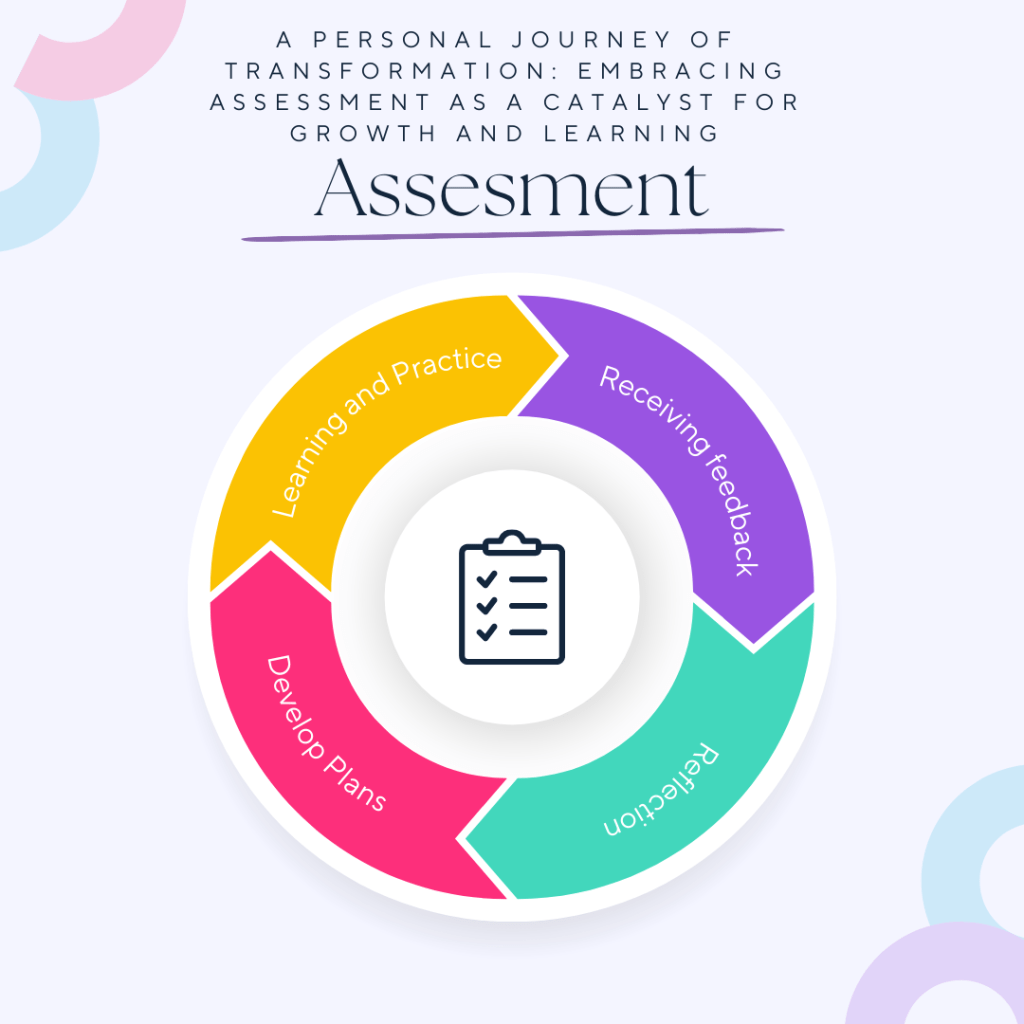
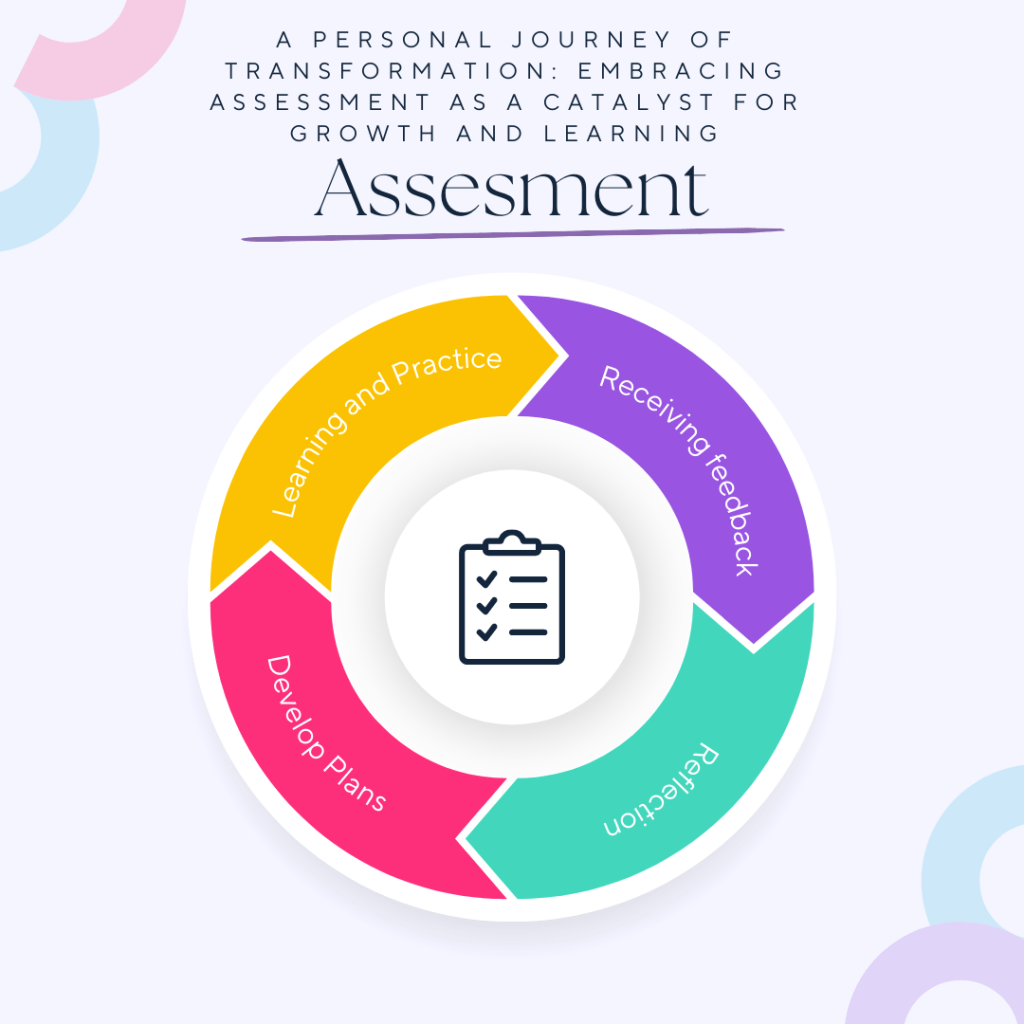
In my pursuit of comprehending assessment purposes and alignment, I’ve undergone a transformative journey that profoundly influenced my beliefs, approaches, and values regarding assessments. This newfound understanding has revealed the broader significance of assessments as dynamic tools for nurturing growth and learning. Before, I mostly viewed assessments as mere grading tools to judge my performance. Now, I recognize their deeper purpose in measuring progress and catalyzing personal development. This change has empowered me, shifting my perception from fear to embracing assessments as supporters of my learning journey.
This understanding has led me to adopt student-centered and formative assessment practices. I prioritize seeking continuous feedback and engaging in self-reflection to understand my strengths and areas for improvement better. This proactive approach has boosted my ability to direct my own learning and growth. I’ve also grown to value metacognition and self-assessment. Analyzing my learning processes enhances my autonomy as a learner, fostering a stronger sense of responsibility in shaping my educational path.
Moreover, my focus now extends beyond mere content knowledge to appreciate broader learning outcomes like critical thinking and problem-solving. This shift broadened my perspective on the diverse aspects of learning. Furthermore, understanding how assessments can cater to diverse needs deepened my commitment to creating inclusive and equitable learning environments. Advocating for assessments that consider individual differences, I strive to foster an environment where all learners can thrive.
My journey of understanding assessment purposes and alignment has been transformative. I now see assessments as powerful tools for growth, not intimidating evaluations. Embracing these changes, I continue on a path of self-discovery, empowerment, and lifelong learning. As I navigate the educational landscape, I’m confident these newfound beliefs, approaches, and values will guide me to become a proactive and empowered learner.
In my personal experience, while taking my executive MBA, I have come to appreciate the value of assessment frameworks in the educational setting. These frameworks provide a structured approach and guidelines for designing and implementing assessments. They have allowed me to have a more logical and scientific perspective when interpreting observations within the assessment process. With the rapid advancements in technology and the ever-changing world, assessment frameworks have evolved to incorporate new tools and approaches. Through the use of data analysis tools, I have been able to gain a deeper understanding of my own strengths and weaknesses as a learner. This has provided valuable insights for educators to make informed decisions about instructional strategies and interventions to support my growth. The introduction of digital portfolios has been a game-changer for me. It has allowed me to showcase my work and reflect on my growth over time. This holistic approach to assessment has given me a sense of pride and accomplishment as I can see how far I have come in my learning journey.
Additionally, the availability of learning analysis tools and assessment apps has empowered me to take ownership of my learning. Through self-assessment and receiving instant feedback, I have been able to develop important skills such as self-reflection and metacognition. These tools have also allowed educators to personalize my learning experience and provide targeted guidance and support when needed. As I reflect on my educational journey, I realize the importance of contextualized assessments. Assessments that take into account my unique background, interests, and learning style have been the most meaningful and effective. They have made the assessment process more relevant and engaging, allowing me to connect my learning to real-world experiences.
Overall, assessment frameworks have provided me with a structured and comprehensive approach to assessing my learning. The integration of technology tools and personalized approaches has greatly enhanced my educational experience. I am grateful for the opportunities these frameworks have provided, enabling me to grow and succeed academically.
In my personal experience, I have found that when it comes to making assessments meaningful and enjoyable for students, considering different strategies can greatly enhance the effectiveness of the assessment process. By incorporating various approaches, educators can create an environment where assessments become more than just a measure of performance, but a tool for promoting engagement and enjoyment in learning. One such strategy is aligning assessments with students’ interests and real-world applications. When students can see the relevance and purpose of what they are learning, assessments take on a deeper meaning and become more enjoyable (Hattie & Timperley, 2007). By connecting the content and skills being assessed to real-life situations or their own personal interests, students are more likely to engage and find value in the assessment process.
Another effective strategy is providing choice and autonomy in assessments. Allowing students to have a say in selecting topics or formats that align with their interests and learning preferences empowers them and increases their motivation (Deci & Ryan, 2000). When students have a sense of control and ownership over their assessments, they are more likely to be invested in the learning process and find the assessments personally meaningful. Incorporating elements of gamification and technology can also enhance the enjoyment and meaningfulness of assessments. Gamifying assessments by introducing game-like elements, such as challenges, rewards, and progress tracking, can create a sense of excitement and engagement (Aldemir & Simsek, 2020). Technology tools and platforms can be utilized to make assessments more interactive and objective, providing students with a more enjoyable and immersive experience.
Providing effective feedback is another crucial aspect of making assessments meaningful and enjoyable. Timely and constructive feedback that focuses on growth and improvement rather than just assigning grades helps students understand their progress and areas for development (Black & Wiliam, 1998). By emphasizing feedback as an opportunity for learning and growth, students are more likely to view assessments as valuable learning experiences rather than simply as a means to receive grades. Furthermore, collaborative assessments, where students work together in groups or engage in peer feedback, can greatly enhance the enjoyment and meaningfulness of assessments. Collaborative activities promote teamwork, communication, and shared responsibility, creating a supportive and engaging learning environment (Slavin, 2014). Students can learn from and with each other, actively participate in problem-solving, and develop essential interpersonal skills.
By implementing these strategies, educators can create assessments that not only effectively evaluate student learning but also inspire and engage students in their educational journey. Meaningful and enjoyable assessments not only promote deeper learning and understanding but also foster students’ intrinsic motivation and desire to continue their learning journey.

 Learning Together Now