
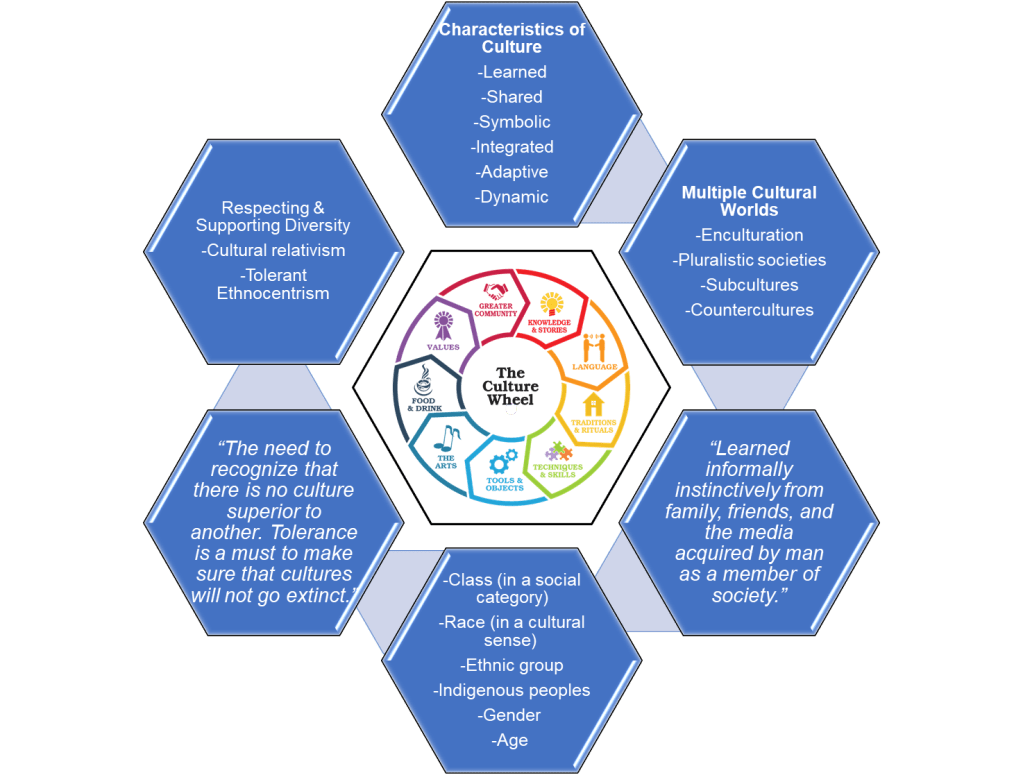
I believe the definition of Culture and Education is represented by the illustration above.
The exponential growth of transportation, communication, and technology brought by globalization has created massive diversification in our society, both domestic and international. In any given place or community, we will able to see more than one culture co-existing. In the Philippines, the world describes the country that is both influenced by East and West due to the colonization of Spain, America, and Imperial Japan. However, we Filipinos have a common culture known by all as respectful, hospitable, and light-hearted. In those mentioned earlier, the Philippines has mixed cultures spanning from one island to another island, from one region to another region that exists and passes on from generation to generation.
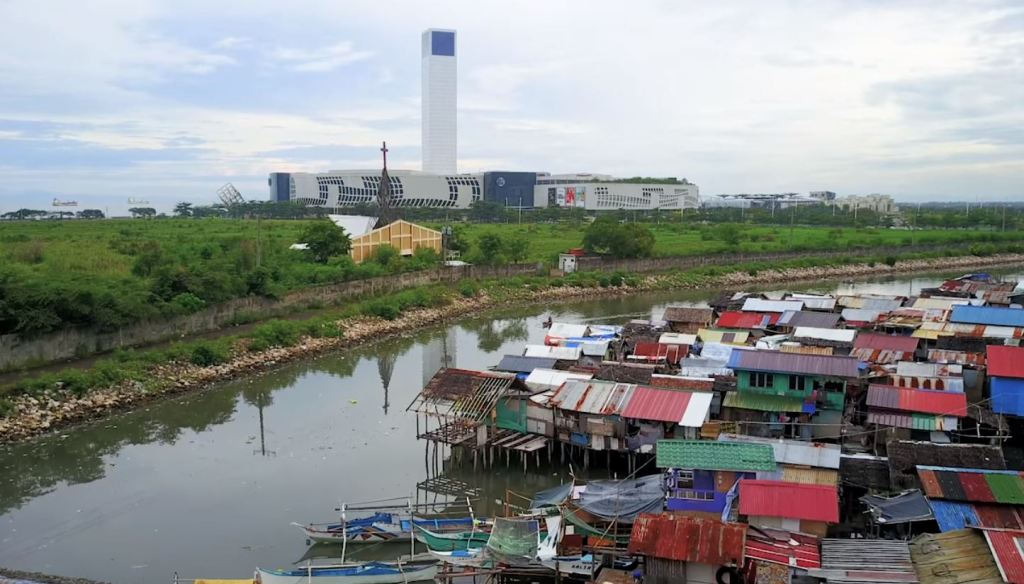

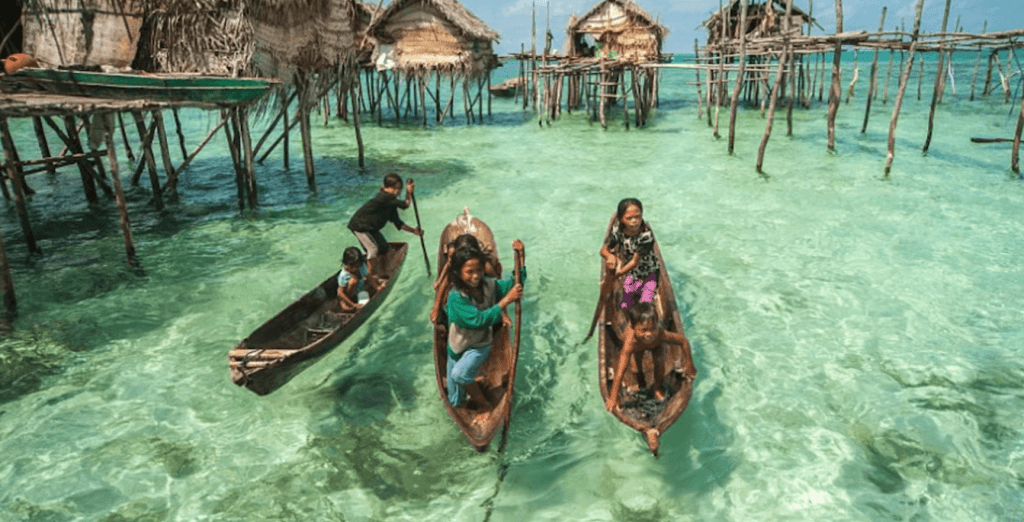
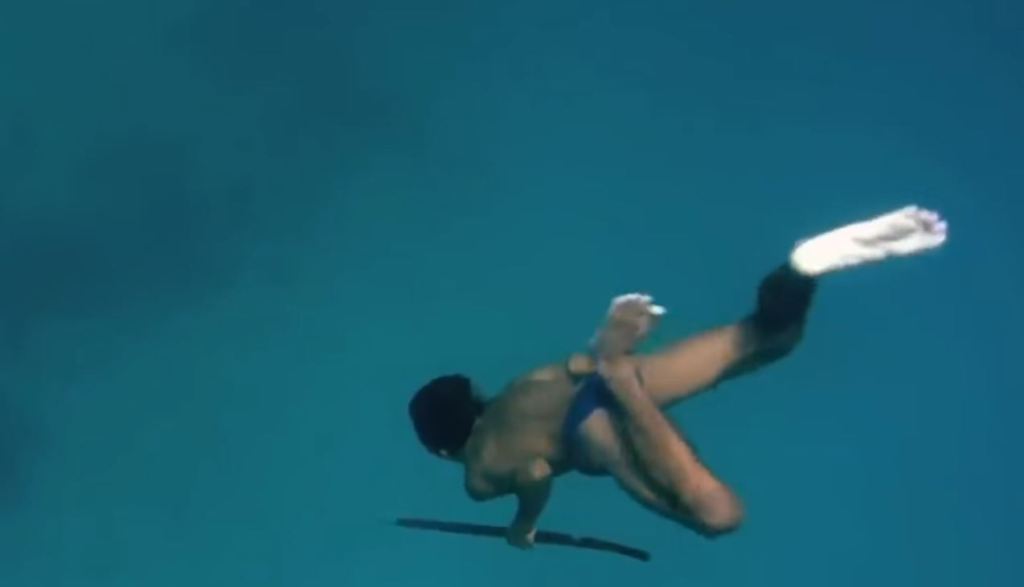
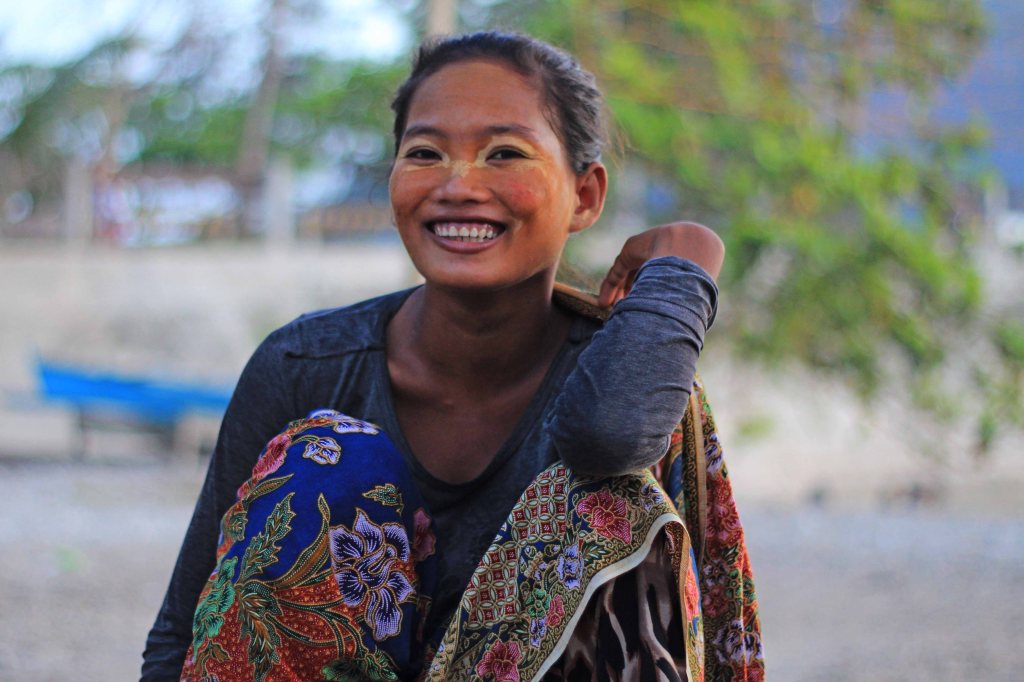
The changes brought about by continuous infrastructure, and real estate development are often time damaging and cause a lot of displacement. For example, like the nomadic Badjao, a group of people who live in boats and settled in shorelines with their day-to-day means of living comes from fishing and diving. The Badjao people are unique in their own culture. The ability to free-dive and skills of deep sea fishing that is a learning which passes on from one generation to the next. They spend a lot of time in the water, thus acclimatizing themselves emotionally and physically up to the extent of intentionally rupturing their eardrums to become an efficient diver. Older men who have spent their entire lives on this way of living are observed of not having good hearing and women normally place clay type substance on their faces to be protected from sunlight. The development of the shorelines where they live and environmental issues force the Badjaos to find other livelihoods since the sea that provides for them can no longer sustain their survival. Their displacement resulted in migrating to cities forcing them to beg on the streets to survive. People are displeased with them for being irritable beggars in city streets. The so-called developments have displaced the Badjao’s without regard for their culture.
Education has a big part in reflecting on these cross-cultural differences in our country. Cultural self-consciousness within the country needs addressing in educating the young minds. Teaching this to children is very important because it helps them grow and function in a mixed culture country. For example, if we can educate our people about where the Badjao’s came from, their culture, way of living, and how they end up as city beggars. Perhaps everyone can learn to understand them. Education can also play a significant role in improving the way of life of the Badjao’s by educating them to diversify their livelihood from diving and deep sea fishing to eco-tourism diving and some other livelihood adapted to their nomadic life. The government can re-allocate their community to a much cleaner open seashore area and educating them on self governance, hygiene and sanitation.

In conclusion, the young generation needs to learn to reflect upon their own culture, others, and culture in general.
References
(n.d.). Retrieved from http://theculturewheel.org
(n.d.). Retrieved from https://www.facebook.com/watch/?v=671246029947515
(n.d.). Retrieved from https://www.rappler.com/nation/badjao-nameless-forgotten-faceless
Anthropology 4U Hi! I’m Keirsten Snover and I’m an Anthropologist., Anthropology 4U, & Hi! I’m Keirsten Snover and I’m an Anthropologist. (2020, September 19). Characteristics of culture ~ key concepts in anthropology. Retrieved March 09, 2021, from https://www.anthropology4u.com/characteristics-of-culture/
BOBBY LAGSA/RAPPLER [Personal photograph]. (n.d.).
Culture of the Philippines. (2021, March 03). Retrieved March 09, 2021, from https://en.wikipedia.org/wiki/Culture_of_the_Philippines
Exchangesvideo (Director). (2011, February 13). What is culture? [Video file]. Retrieved March 09, 2021, from https://www.youtube.com/watch?v=57KW6RO8Rcs
Koichi Kuwabara 桑原功一 (Director). (2019, August 15). Japanese man who got married WITH Badjao バジャウ族と結婚した日本人 [Video file]. Retrieved March 09, 2021, from https://fb.watch/41ViJCTVpH/
Sama-Bajau. (2021, March 09). Retrieved March 09, 2021, from https://en.wikipedia.org/wiki/Sama-Bajau
Teachers create what THEY Experience: KATIE Martin: TEDxElCajonSalon [Video file]. (2016, May 10). Retrieved March 09, 2021, from https://youtu.be/rcDpDPwRxvU

 Learning Together Now