My Key Takeaways from Designing an Authentic Assessment Exercise
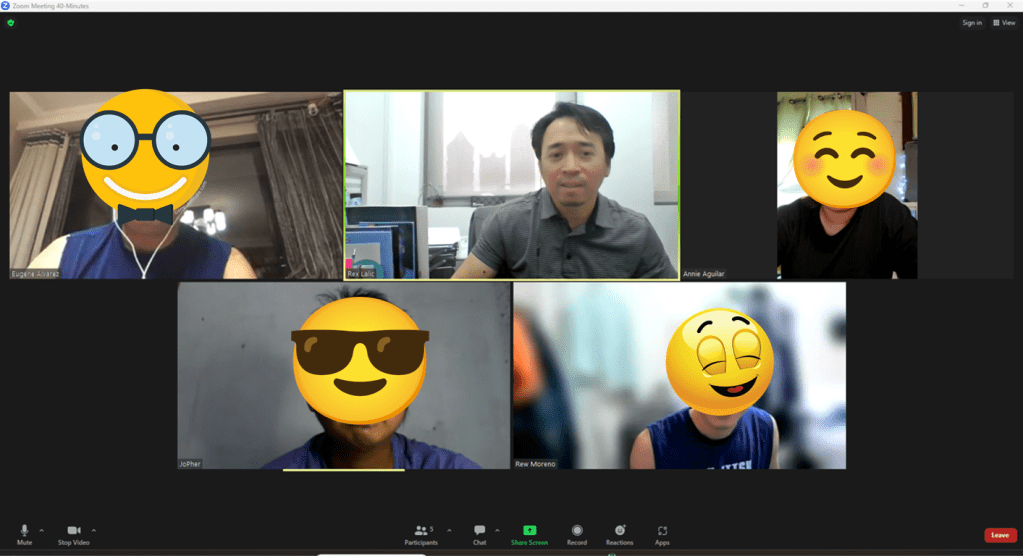
What a journey it has been! I must admit that before embarking on this exercise, I believed I had an understanding of assessments. You know, the quizzes and tests that we often dread but are a part of our educational experience? However, participating in this project has truly expanded my perspective on what assessments can entail and the value they hold. One aspect that really struck me was the power of learning. Embracing the collaboration approach, where every team member contributes to every aspect of the project, helped me open my eyes to perspectives. Not only did I learn from the course materials themselves, but also from my fellow teammates. This is something you don’t typically gain from a do-it-yourself project.
Moreover, this assignment compelled us to align our test items with learning objectives—a real game changer for me. It forced me to think about what we aimed to achieve through our assessment. It wasn’t about checking boxes or assigning grades; it was about ensuring that these learning objectives were meaningfully met.
Lastly, one revelation that stood out was recognizing the significance of assessments in evaluating student progress and growth. I found myself dedicating a lot of thought to creating assessments that could capture a wide range of skills and cognitive processes. It made me realize that tests could actually be designed to be more interactive, engaging, and reflective of the skills needed in the world. This was quite different from the approach of memorizing information and throwing it up.
The significance of self and peer assessments initially seemed challenging to me. However, as I went through the process, I now understood their value. These assessments compelled me to reflect on my contributions and understand my teammate’s perspectives. They transformed the project into more than a competition but rather a collective journey towards better comprehension. One of the insights was emphasizing the application of these principles in real-world contexts. The assignment wasn’t purely theoretical; it had implications in a particular setting. It helped me appreciate the complexities involved in designing assessments within a classroom environment, something I’ll carry forward as I pursue my career as an educator.
 Learning Together Now