As a student navigating through a distance learning platform, I’ve had the opportunity to encounter various types of assessments designed with the help of a Table of Specifications (TOS). The implementation of performance-based assessments in this virtual environment has been particularly engaging and innovative.
In one instance, we were assigned a project where we had to research and present on a topic of our choice, incorporating multimedia elements like videos and interactive presentations. The TOS ensured that the assessment aligned with the learning objectives while allowing us the flexibility to explore our interests. This experience was truly empowering as it allowed me to delve deeper into a subject that intrigued me and present my findings in a creative manner.
However, there have been times when the TOS seemed too rigid, limiting the scope for personalization. Some performance-based assessments lacked the freedom to choose the format that best suited our learning style. In these cases, I felt that a more balanced approach, considering both structure and flexibility, could have been beneficial.
As I reflect on my distance learning journey, I strongly believe that using a Table of Specifications (TOS) to design innovative performance-based assessments has significantly improved my learning experience. It has allowed me to demonstrate my abilities and encouraged me to think critically and be creative. I appreciate that educators have been using the TOS effectively, providing a clear path for our learning while allowing room for individual needs and preferences. This balance has made learning more enjoyable and fulfilling. The TOS acts as a valuable guide that keeps us focused, but it also gives us the freedom to explore new ideas and approaches to learning. Overall, the use of TOS in distance learning has been a great benefit, enriching our education and inspiring us to reach our full potential.
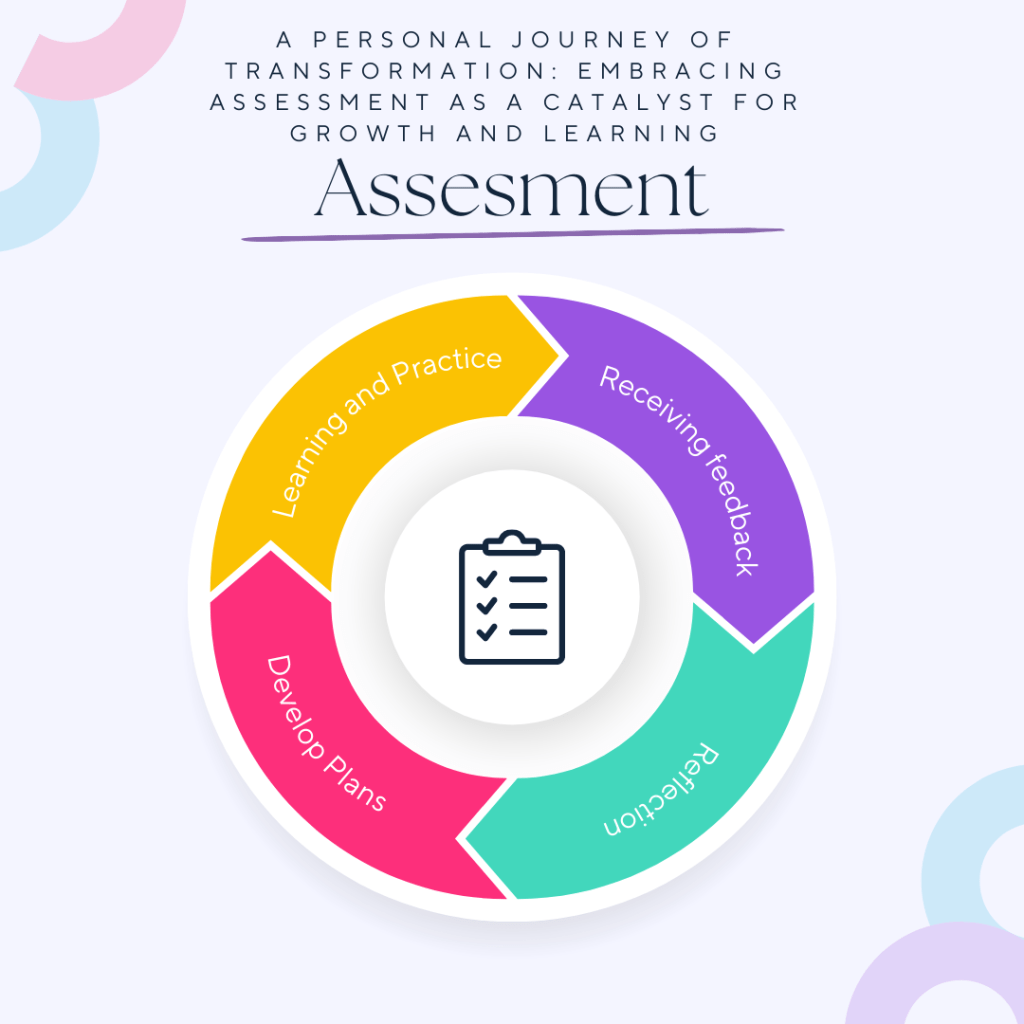
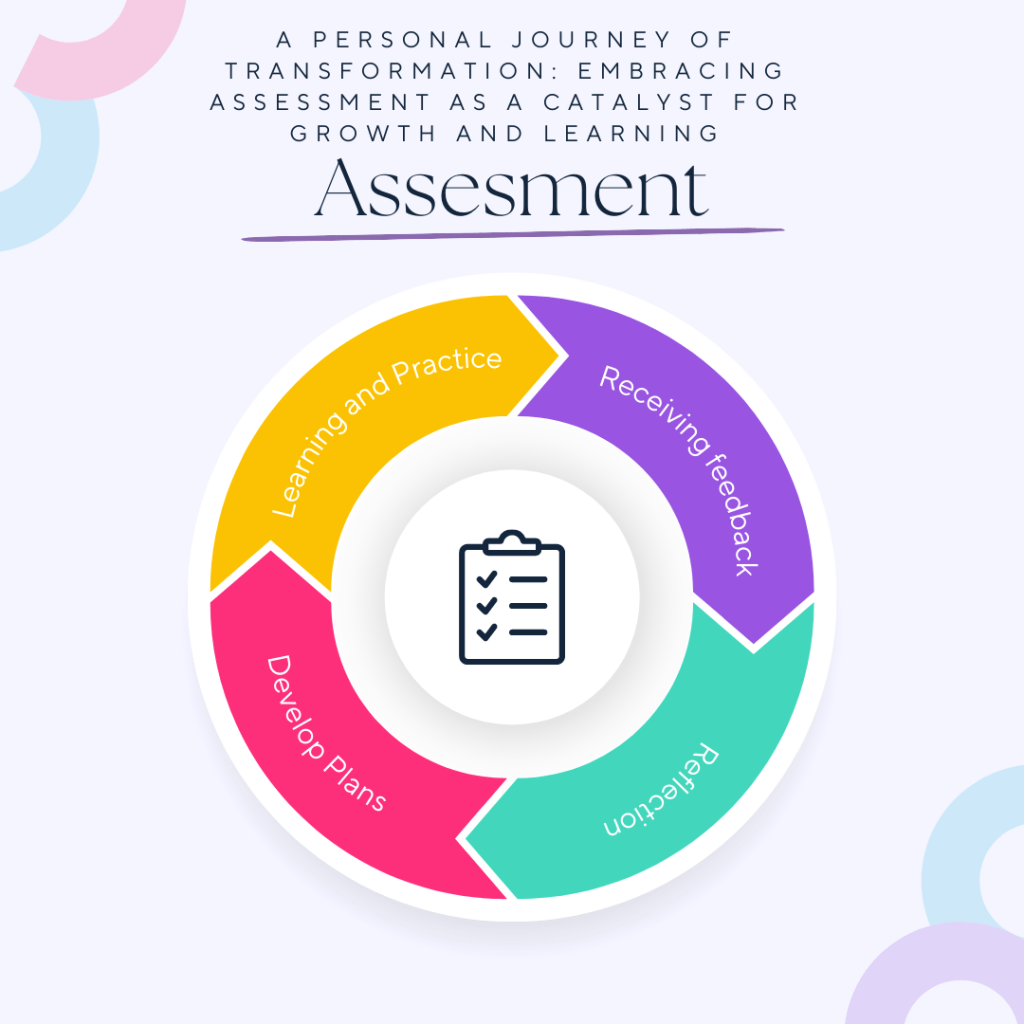
In my pursuit of comprehending assessment purposes and alignment, I’ve undergone a transformative journey that profoundly influenced my beliefs, approaches, and values regarding assessments. This newfound understanding has revealed the broader significance of assessments as dynamic tools for nurturing growth and learning. Before, I mostly viewed assessments as mere grading tools to judge my performance. Now, I recognize their deeper purpose in measuring progress and catalyzing personal development. This change has empowered me, shifting my perception from fear to embracing assessments as supporters of my learning journey.
This understanding has led me to adopt student-centered and formative assessment practices. I prioritize seeking continuous feedback and engaging in self-reflection to understand my strengths and areas for improvement better. This proactive approach has boosted my ability to direct my own learning and growth. I’ve also grown to value metacognition and self-assessment. Analyzing my learning processes enhances my autonomy as a learner, fostering a stronger sense of responsibility in shaping my educational path.
Moreover, my focus now extends beyond mere content knowledge to appreciate broader learning outcomes like critical thinking and problem-solving. This shift broadened my perspective on the diverse aspects of learning. Furthermore, understanding how assessments can cater to diverse needs deepened my commitment to creating inclusive and equitable learning environments. Advocating for assessments that consider individual differences, I strive to foster an environment where all learners can thrive.
My journey of understanding assessment purposes and alignment has been transformative. I now see assessments as powerful tools for growth, not intimidating evaluations. Embracing these changes, I continue on a path of self-discovery, empowerment, and lifelong learning. As I navigate the educational landscape, I’m confident these newfound beliefs, approaches, and values will guide me to become a proactive and empowered learner.
In my personal experience, while taking my executive MBA, I have come to appreciate the value of assessment frameworks in the educational setting. These frameworks provide a structured approach and guidelines for designing and implementing assessments. They have allowed me to have a more logical and scientific perspective when interpreting observations within the assessment process. With the rapid advancements in technology and the ever-changing world, assessment frameworks have evolved to incorporate new tools and approaches. Through the use of data analysis tools, I have been able to gain a deeper understanding of my own strengths and weaknesses as a learner. This has provided valuable insights for educators to make informed decisions about instructional strategies and interventions to support my growth. The introduction of digital portfolios has been a game-changer for me. It has allowed me to showcase my work and reflect on my growth over time. This holistic approach to assessment has given me a sense of pride and accomplishment as I can see how far I have come in my learning journey.
Additionally, the availability of learning analysis tools and assessment apps has empowered me to take ownership of my learning. Through self-assessment and receiving instant feedback, I have been able to develop important skills such as self-reflection and metacognition. These tools have also allowed educators to personalize my learning experience and provide targeted guidance and support when needed. As I reflect on my educational journey, I realize the importance of contextualized assessments. Assessments that take into account my unique background, interests, and learning style have been the most meaningful and effective. They have made the assessment process more relevant and engaging, allowing me to connect my learning to real-world experiences.
Overall, assessment frameworks have provided me with a structured and comprehensive approach to assessing my learning. The integration of technology tools and personalized approaches has greatly enhanced my educational experience. I am grateful for the opportunities these frameworks have provided, enabling me to grow and succeed academically.
In my personal experience, I have found that when it comes to making assessments meaningful and enjoyable for students, considering different strategies can greatly enhance the effectiveness of the assessment process. By incorporating various approaches, educators can create an environment where assessments become more than just a measure of performance, but a tool for promoting engagement and enjoyment in learning. One such strategy is aligning assessments with students’ interests and real-world applications. When students can see the relevance and purpose of what they are learning, assessments take on a deeper meaning and become more enjoyable (Hattie & Timperley, 2007). By connecting the content and skills being assessed to real-life situations or their own personal interests, students are more likely to engage and find value in the assessment process.
Another effective strategy is providing choice and autonomy in assessments. Allowing students to have a say in selecting topics or formats that align with their interests and learning preferences empowers them and increases their motivation (Deci & Ryan, 2000). When students have a sense of control and ownership over their assessments, they are more likely to be invested in the learning process and find the assessments personally meaningful. Incorporating elements of gamification and technology can also enhance the enjoyment and meaningfulness of assessments. Gamifying assessments by introducing game-like elements, such as challenges, rewards, and progress tracking, can create a sense of excitement and engagement (Aldemir & Simsek, 2020). Technology tools and platforms can be utilized to make assessments more interactive and objective, providing students with a more enjoyable and immersive experience.
Providing effective feedback is another crucial aspect of making assessments meaningful and enjoyable. Timely and constructive feedback that focuses on growth and improvement rather than just assigning grades helps students understand their progress and areas for development (Black & Wiliam, 1998). By emphasizing feedback as an opportunity for learning and growth, students are more likely to view assessments as valuable learning experiences rather than simply as a means to receive grades. Furthermore, collaborative assessments, where students work together in groups or engage in peer feedback, can greatly enhance the enjoyment and meaningfulness of assessments. Collaborative activities promote teamwork, communication, and shared responsibility, creating a supportive and engaging learning environment (Slavin, 2014). Students can learn from and with each other, actively participate in problem-solving, and develop essential interpersonal skills.
By implementing these strategies, educators can create assessments that not only effectively evaluate student learning but also inspire and engage students in their educational journey. Meaningful and enjoyable assessments not only promote deeper learning and understanding but also foster students’ intrinsic motivation and desire to continue their learning journey.

 Learning Together Now